A recently covered release pairs totemic animal companions with tai chi and a murder investigation inside a single epic fantasy world. Whatever the specifics of that book turn out to be, the setup points at something bigger than one novel: tying a character's identity, politics, or fate to a specific bonded creature is one of the most reliable structural tools epic fantasy has, and it keeps reappearing because it solves a problem plot alone can't.
Why authors keep reaching for a bonded creature
Epic fantasy has to introduce a lot of characters fast — courts, clans, factions, rival heirs — and readers need a way to tell them apart that isn't just a name. A totemic animal does that instantly: it's a visual shorthand, a personality cue, and often a political marker (which animal you're bonded to can signal rank, clan, or destiny before a single line of dialogue explains it). It also gives a writer a second character to work with inside one — the bonded creature can disagree with, restrain, or expose the human half of the pair, which is exactly the kind of tension a straight political drama has to build from scratch.
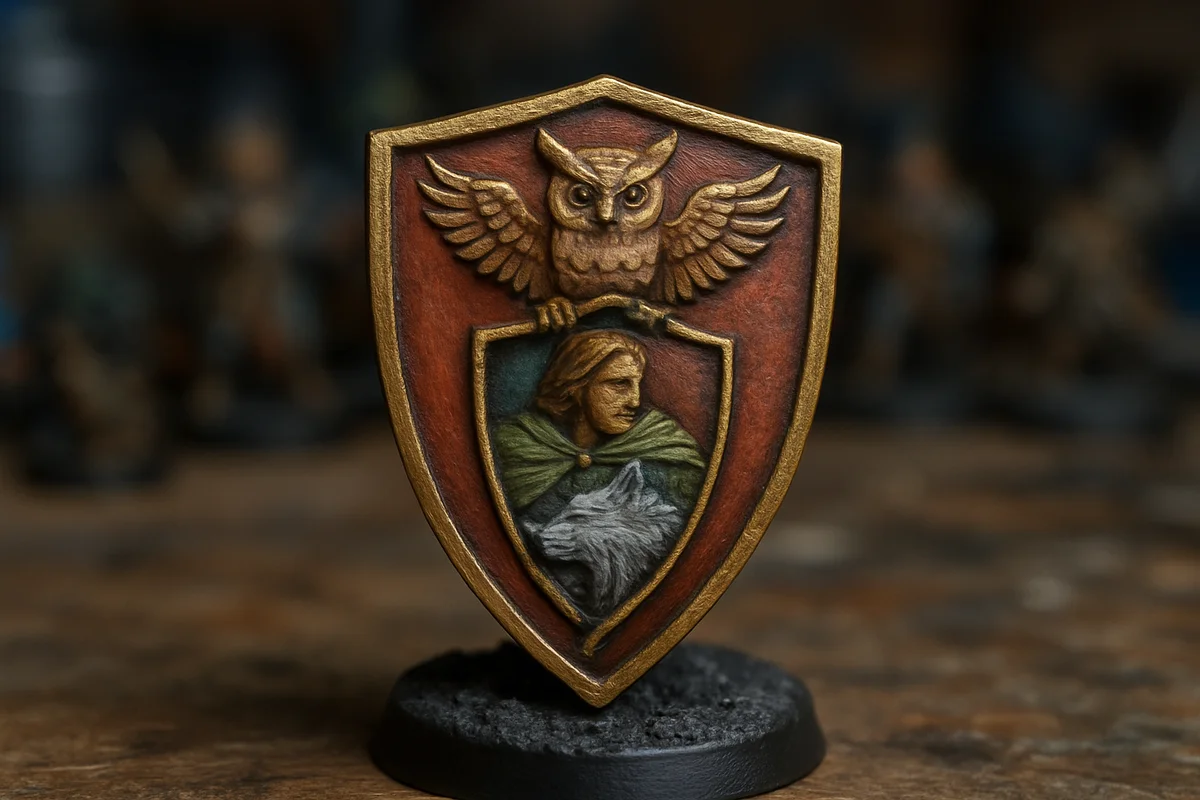
The device isn't limited to animal companions
The same underlying idea shows up under different names across the genre: a spirit guide, a magical creature sworn to a bloodline, or — as in the Drakhthar universe behind this site — a dragon bonded to a single human whose fate is inseparable from it. Drakhthar's thirteen regions each pair one dragon with one Named character, and that bond isn't decoration; the fate of the dragon and the fate of the Named are the same story told from two angles. It's a different creature and a different scale than a totemic animal companion, but the narrative logic is the same: give the reader a bond that raises the stakes of every scene the bonded character appears in, without a page of exposition.
Ash-Ra's Named, Zarek, is bound to Sulthar, the dragon whose fire shaped the entire region into the ash wasteland he now excavates — his personal story and the region's history are the same event seen from inside it. Aerthys works the same way from the opposite direction: its Named, Kaeltior, lives inside the storm that is the dragon Aerthys, rather than pursuing a separate creature at a distance. Two regions, two very different relationships to the same structural idea.
Genre-blending is the other real trend here
Pairing a totemic-animal magic system with a murder investigation is also a signal worth naming on its own: epic fantasy increasingly borrows structure from other genres — mystery, political thriller, procedural — instead of running on quest plots alone. That's not a dilution of the genre; it's what keeps worldbuilding-heavy fantasy readable at pace, because a mystery gives the reader a question to chase page by page while the world gets built around them. Not every fantasy world needs a crime to solve, but the instinct to borrow a tight, external plot engine to carry a large world is one worth watching for in whatever you read next.
What to look for before you commit
If a bonded-creature premise is what pulled you toward a book or a world, three questions are worth asking before you invest in the series: Is the bond structural — does it actually change what the character can do and what they stand to lose — or is it cosmetic? Is the creature a second character with its own will, or a passive symbol? And is the bond consistent across the world, the way Drakhthar ties every one of its thirteen regions to the same dragon-and-Named structure, or does the rule bend whenever the plot needs it to? A world that answers those questions clearly, before you're several hundred pages in, is one built to reward the time you put into it.