When a small UK maker released a run of unbranded 28mm space miner miniatures this week, the miniature hobby community picked it up almost immediately. The reaction was telling: the conversation that followed wasn't really about space miners. It was about scale.
That's because 28mm isn't just a measurement — it's a shared language. The convention started in tabletop wargaming and became the standard that lets collectors mix pieces from completely different makers on the same shelf, the same display case, the same gaming table, without anything looking out of place. When an independent producer announces a new run at 28mm, they're speaking directly to a community that already has the ecosystem — terrain, bases, storage, painting supplies — built around that exact size. The barrier to adding one more figure is almost zero.
Why indie makers are taking the lead
The business of miniatures used to run on volume. Large manufacturers sold army boxes: hundreds of nearly identical soldiers, bought in bulk, painted in batches. That market still exists, but what has grown sharply in recent years is something different — the character miniature. A single figure, highly detailed, tied to a specific world or story. You don't buy twenty of them. You buy the one that represents the character you care about.
That shift in what collectors actually want is what opened the door for smaller, more specialized producers. FDM printing — desktop 3D printing using filament — changed the economics of the whole category. A sculptor working with a self-published fantasy universe can produce a high-quality digital file, print a run of figures without ever running a casting facility, and sell directly to the readers who already know and care about that world. The figure becomes an extension of the book, not a separate product line that needs its own marketing budget to exist.
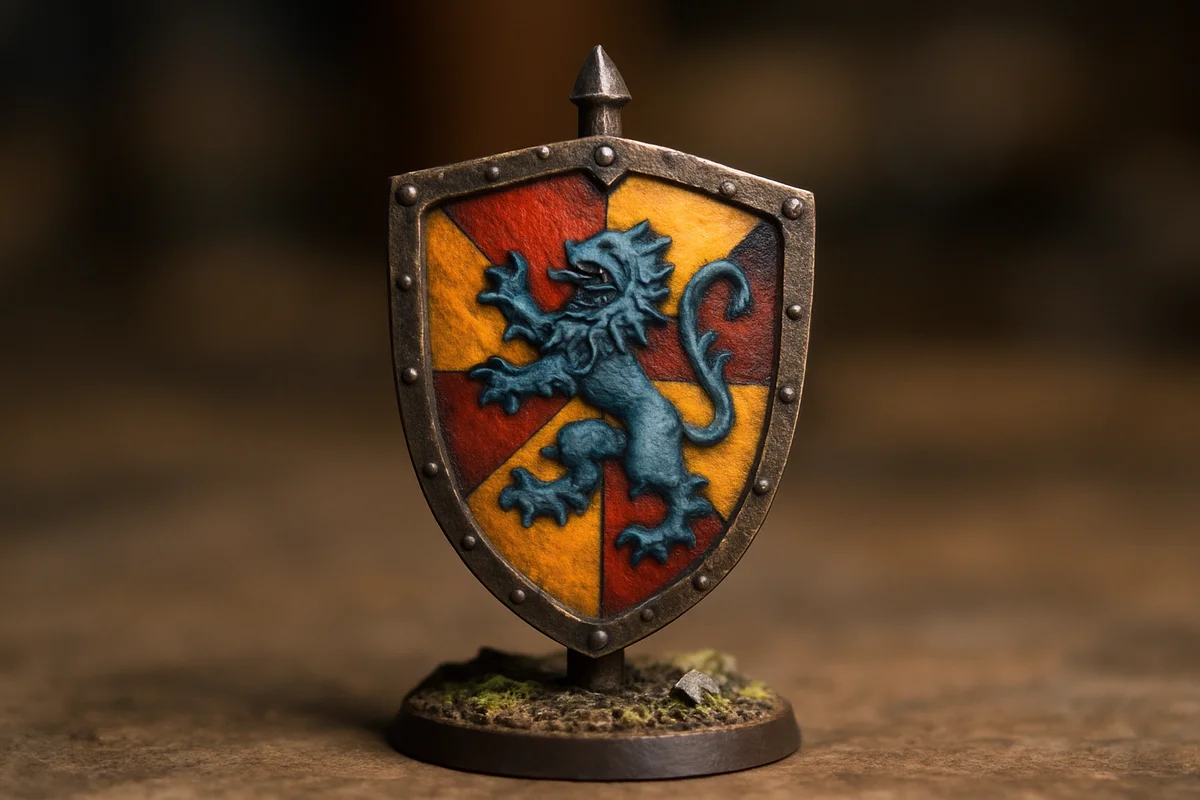
This is why an unbranded run from a small UK workshop gets noticed the moment it appears. The market for character miniatures at 28mm is real, active, and increasingly comfortable buying from producers it's never heard of before — as long as the quality is there.
Drakhthar's collectible FDM line
Drakhthar is a self-published epic fantasy universe structured around thirteen regions, each with its own dragon and a Named character — a figure whose fate is bound to that dragon. The universe released its first novel and supports it with a line of collectible FDM miniatures: dragons and Named characters from across the thirteen regions.
These figures aren't designed for tabletop combat. There are no army rules, no points system. They're display pieces — objects for readers who want something physical from a world they've spent time in. The question they answer is the same one the UK space miners answer: when a fictional world matters to you, do you want something you can hold?
One of the thirteen regions is Vhar-Kaz — the Kingdom Under the Mountain. Underground kingdoms carry their own weight in epic fantasy: sealed societies with their own political logic, their own relationship to stone and depth and what lies beneath. A miniature tied to that kind of setting doesn't just sit on a shelf. It carries the atmosphere of the place with it.
Three things that matter more than the figure itself
If you're new to collecting miniatures, these three questions cut through most of the noise:
Scale compatibility. 28mm mixes with most third-party terrain and bases already in circulation. Resin and FDM figures can both hit 28mm, but check whether a base is included and whether it matches the size you're already using.
Painted or unpainted. Unpainted figures cost less and let you make them your own. Painted figures cost more but are ready to display immediately. Neither choice is wrong — they serve different collectors.
The world behind the figure. A miniature from a universe with an actual book behind it gives you something to think about while you paint or display it. The lore keeps feeding the object. That's the argument for universe-specific figures over generic ones, and it's why self-published worlds with a real story attached are producing figures that standalone pieces can't quite replicate.
The miniature market is wide enough to hold all of this at once: the mass-market army box, the indie character piece, the universe-specific collector figure. The week's run of space miners from a small UK workshop is a reminder that the indie end of that market is active and making things worth paying attention to — whatever world the figures happen to inhabit.